What Years of Veterinary Practice Taught Me About the Value of Skilled Housekeepers
As a licensed veterinarian practicing in Texas, I’m used to working in environments where hygiene isn’t optional—it’s the quiet backbone of everything we do. Early in my career, I underestimated how much that mindset would shape the way I take care of my own home. Over time, I learned that maintaining a functional, healthy household often depends on the expertise of professional housekeepers, especially during the periods when work leaves me barely enough energy to notice the state of my kitchen counters.
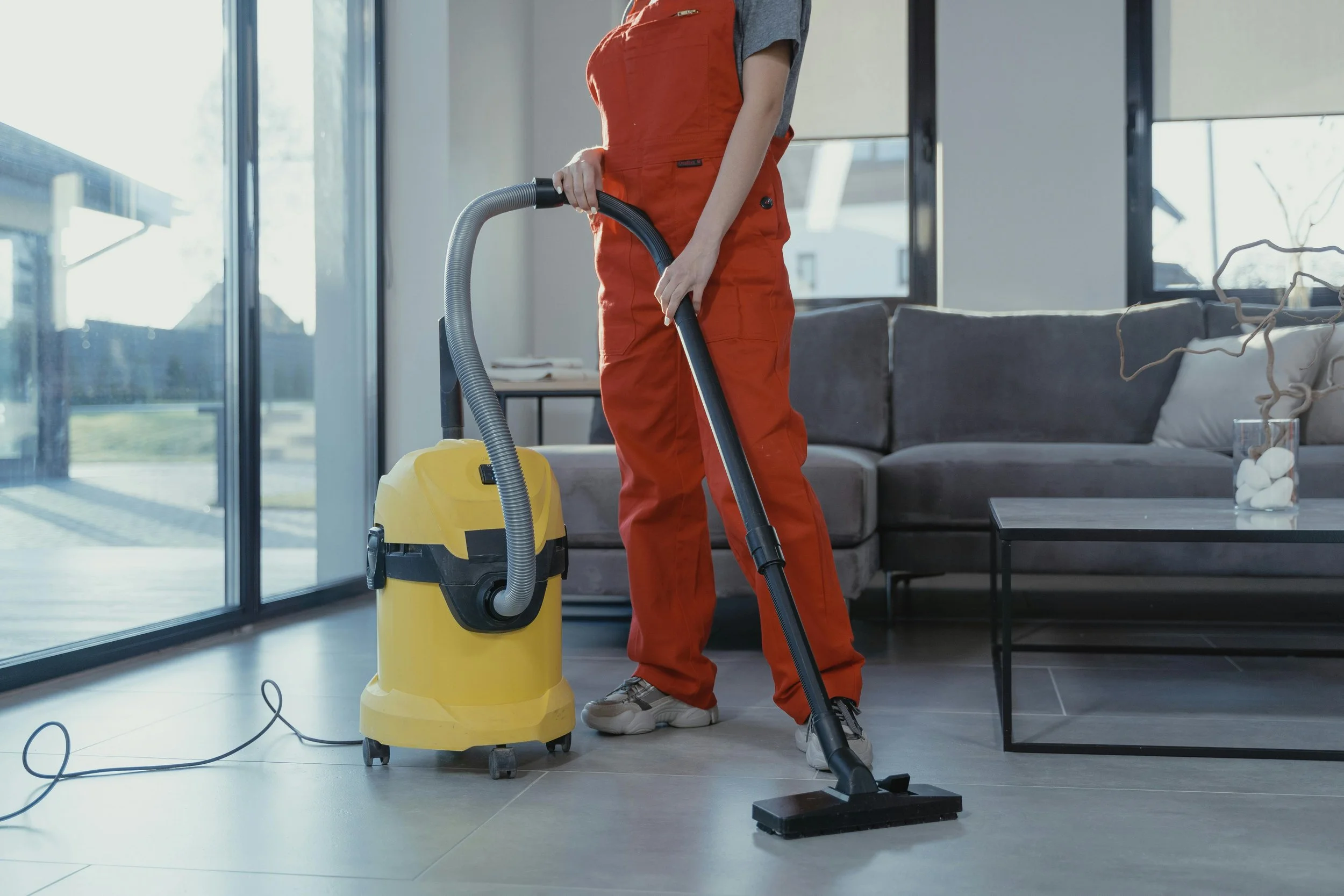 My first real appreciation for their skill came after a particularly busy month at the clinic. We’d handled several complex surgeries back-to-back, and I’d been on call more than usual. At home, the mess built slowly—pet hair tucked into odd corners, dust settling along baseboards I rarely look at, and a faint smell near the laundry room I kept ignoring. When a housekeeping team arrived, one of them pointed out that the odor wasn’t from the pets at all but from a bit of moisture beneath the utility sink. I had completely missed it. Catching that early prevented a much larger problem. It reminded me of diagnosing a subtle infection—you notice it only if you’ve seen a hundred similar cases.
Another moment that stays with me happened during a spring cleaning visit. I watched one of the housekeepers handle my exam-room–quality stainless steel with a level of care that felt familiar. She tested the cleaner in a small patch first, checked how the surface responded, and then worked her way across the appliances in slow, even passes. It was the same deliberate approach I use when evaluating an animal’s coat or cleaning a surgical instrument—measured, thoughtful, and grounded in experience. It struck me that their work mirrors ours more than most people would assume.
The most common mistake I see people make—friends, clients, even some of my own staff—is assuming cleaning is a task anyone can do well with enough effort. In practice, technique matters far more. I’ve seen well-meaning pet owners mop hardwood floors with far too much water, unknowingly damaging the boards. I’ve watched people mix products that shouldn’t be mixed or use abrasive pads on delicate surfaces. Professional housekeepers understand how different materials behave, how homes breathe, and how daily habits accumulate into long-term wear. Their work isn’t just about appearance; it protects a home the way preventative care protects an animal.
I also appreciate how they adapt to houses with pets, which is no small feat. One housekeeper showed me a brushing method that loosened pet hair from a rug without damaging the fibers—something I’d struggled with for years. Another pointed out scratch marks forming on a doorframe and suggested a simple barrier that saved me from refinishing it later. These insights come from repetition and observation, the same qualities that make a good veterinarian pay attention to subtle changes in an animal’s gait or appetite.
What I’ve come to value most is the steadiness professional housekeepers bring. Their visits mark a reset in my home’s rhythm, especially during hectic periods when I’m too focused on patients to notice the clutter piling up in my own life. I walk through the door afterward and feel a shift I can’t always articulate—a sense that the house is supporting me again rather than silently demanding attention.
For me, their work parallels the role of technicians and support staff in a clinic: often overlooked, utterly essential, and defined by a level of expertise most people never see unless they’ve worked alongside it. Skilled housekeepers don’t just clean a home. They preserve it, protect it, and—whether homeowners realize it or not—make it possible for the rest of life to function smoothly.
 One moment that changed my approach happened during a deep-cleaning marathon I did before hosting family. I had scrubbed my kitchen floors so hard that I thought I’d “restored” them—only to have a flooring contractor gently tell me later that I’d been using a cleaner that dulled the finish. He showed me how a pH-neutral solution and a quick dry buff would have protected the surface instead of wearing it down. That conversation saved me from repeating the mistake and made me more particular about what I use on different surfaces, especially in older Elmhurst homes where materials vary from room to room.